

Drag

Guide to Workplace Noise Hazards

Introduction

Excessive noise in the workplace can cause both short- and long-term hearing damage and can contribute to stress, fatigue, and reduced concentration.

Employers have a duty under the Control of Noise at Work Regulations 2005 (or local equivalent) to assess and control risks from noise to protect employees’ health and well-being.

UNDERSTANDING NOISE HAZARDS

Noise is unwanted or harmful sound. It becomes hazardous when it reaches levels

that can cause hearing loss or interfere with communication and concentration.

Common Sources of Noise

  • Machinery and power tools (e.g. grinders, compressors, mixers)
  • Forklifts, delivery vehicles, and plant equipment
  • Impact or percussive tools (e.g. hammers, drills)
  • Ventilation systems and extraction fans
  • High-pressure cleaning systems
  • Loud background music in some environments

HEALTH EFFECTS OF NOISE EXPOSURE

Prolonged exposure to high noise levels can cause:

  • Permanent hearing loss
  • Tinnitus (ringing, buzzing, or whistling in the ears)
  • Temporary hearing fatigue
  • Reduced communication, leading to accidents or misunderstandings
  • Increased stress and fatigue

Hearing damage is cumulative and cannot be reversed once it occurs


Exposure levelDaily or Weekly LimitAction Required
Lower Exposure Action Value80 dB(A)Provide information, training, and offer hearing protection
Upper Exposure Action Value80 dB(A)Implement noise control measures and ensure use of hearing protection
Exposure Limit Value87 dB(A) (taking hearing protection into account)Must not be exceeded
Peak sound pressure (instantaneous noises) should not exceed 140 dB(C).


MANAGING NOISE RISKS

Step 1: Identify Noise Hazards

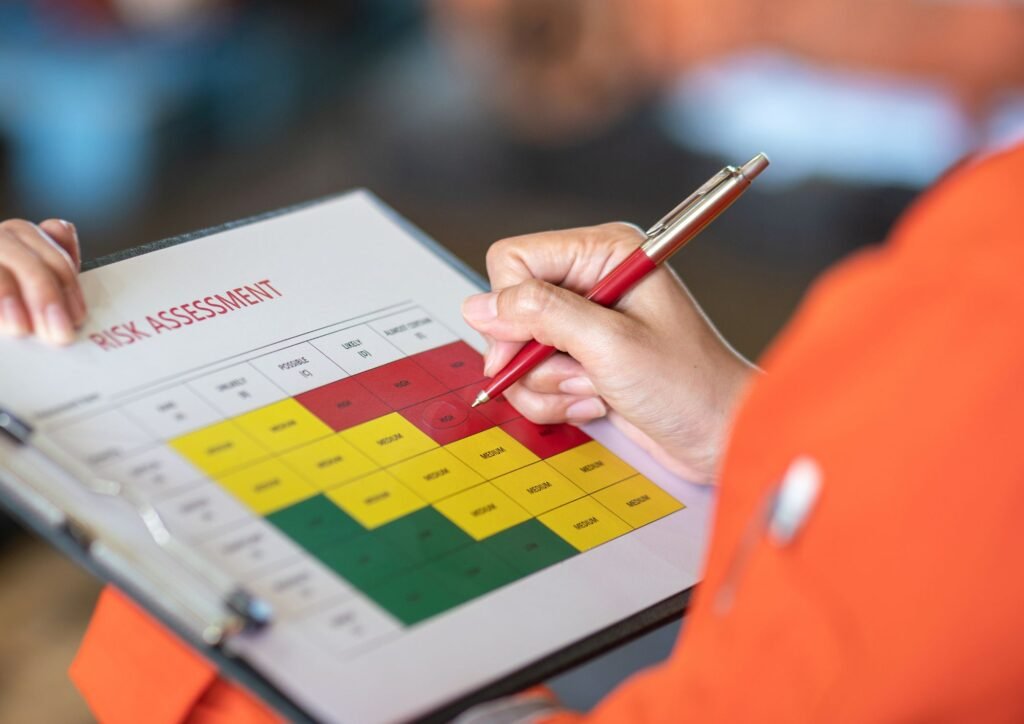
  • Conduct a noise risk assessment
  • Measure sound levels with a calibrated sound level meter
  • Identify employees exposed to potentially harmful levels

Step 2: Control at Source

Apply the hierarchy of control:

  • Eliminate or reduce noise at the design stage (quieter equipment, dampening materials)
  • Engineering controls – fit silencers, barriers, or enclosures
  • Administrative controls – rotate staff, schedule noisy work when fewer people are present
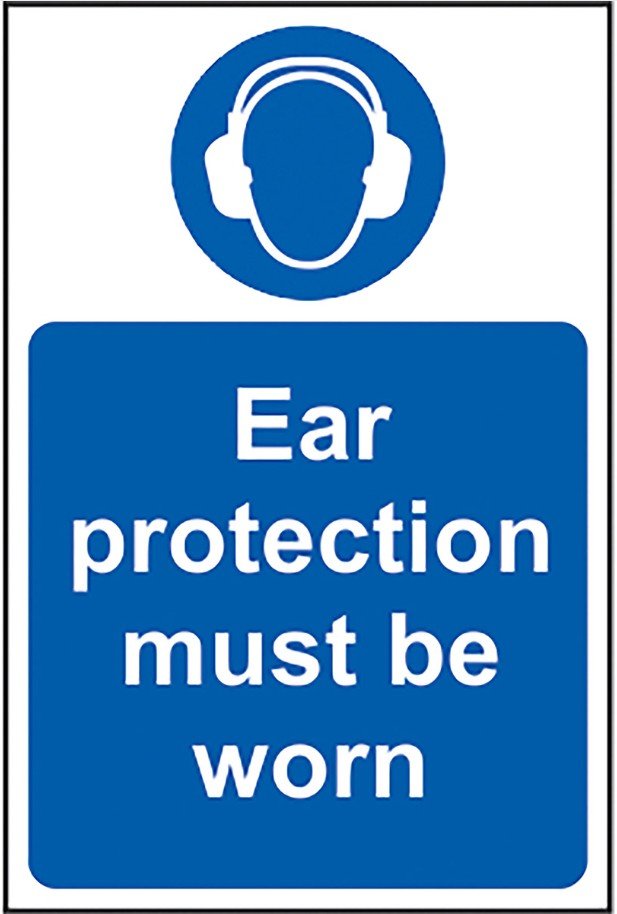
  • Provide Hearing Protection – as a last resort or interim measure

HEARING PROTECTION

Replace damaged or worn-out equipment promptly

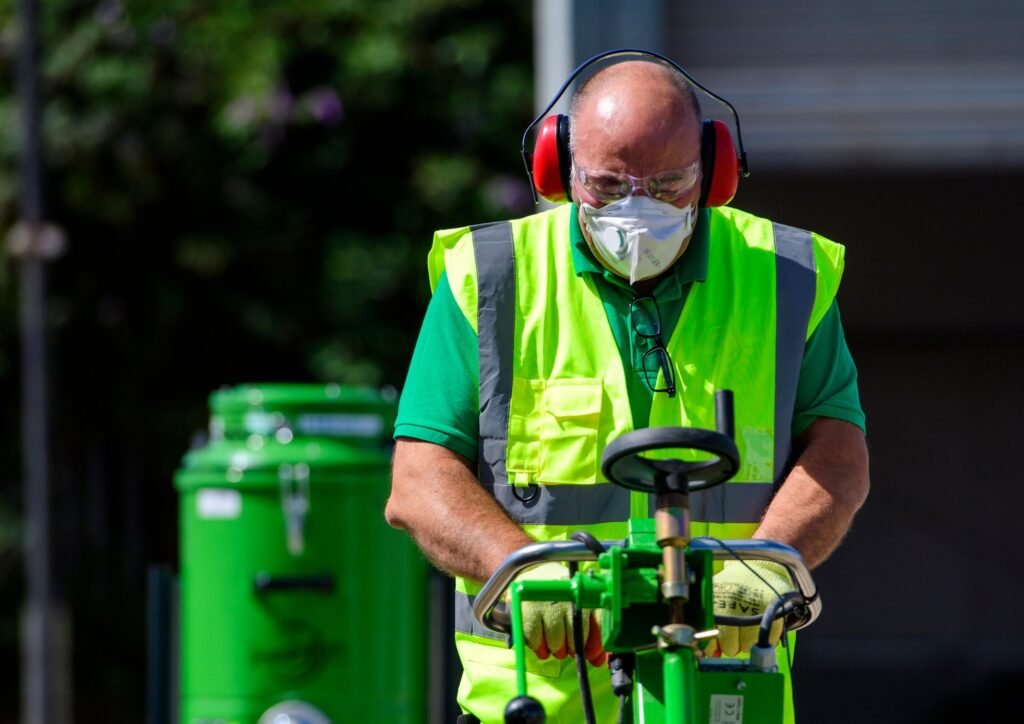
Use ear defenders or earplugs that provide appropriate attenuation (SNR rating suitable for noise level)

Ensure correct fit, comfort, and maintenance

Provide training on when and how to wear hearing protection

TRAINING AND AWARENESS

All employees exposed to noise hazards should receive training on:

  • Risks of noise exposure
  • Proper use and care of hearing protection
  • How to recognise signs of hearing damage
  • Reporting faults or excessive noise conditions

HEALTH SURVEILLANCE

If employees are regularly exposed above the upper action value (85 dB(A)),

hearing checks (audiometry) should be provided:

  • Baseline test at employment start
  • Regular follow-up tests (usually annually for the first two years, then every three years)

Results should be confidential and used to identify early signs of hearing loss.

EMPLOYER RESPONSIBILITIES

  • Carry out regular noise risk assessments
  • Maintain equipment to minimise noise
  • Provide suitable PPE and ensure its use
  • Offer training and health surveillance
  • Display hearing protection zones clearly

EMPLOYEE RESPONSIBILITIES

  • Wear hearing protection where required
  • Report noise hazards or equipment defects
  • Attend training and health checks
  • Follow workplace safety procedures

FURTHER GUIDANCE

Disclaimer

Whilst we have made every effort to ensure that the information contained in this guide has be obtained from a reliable source, The Preparation Group is not responsible for any error or omissions or for the results obtained from the use of this information. All information in this guide is provided “as is,” with no guarantee of completeness, accuracy, timeliness, and without warranty of any kind, expressed or implied, including but not limited to warranties of performance, merchantability, and fitness for a particular purpose. © 2025 The Preparation Group.

This document cannot be reproduced without written permission from The Preparation Group.

For further information contact us:

Visit www.thepreparationgroup.com

Helpline: 8:00am – 4:00pm

Mon – Fri +44 (0)1522 5614602

Email: hello@ppcgroup.co.uk

Similar Posts

Similar Posts