
Drag

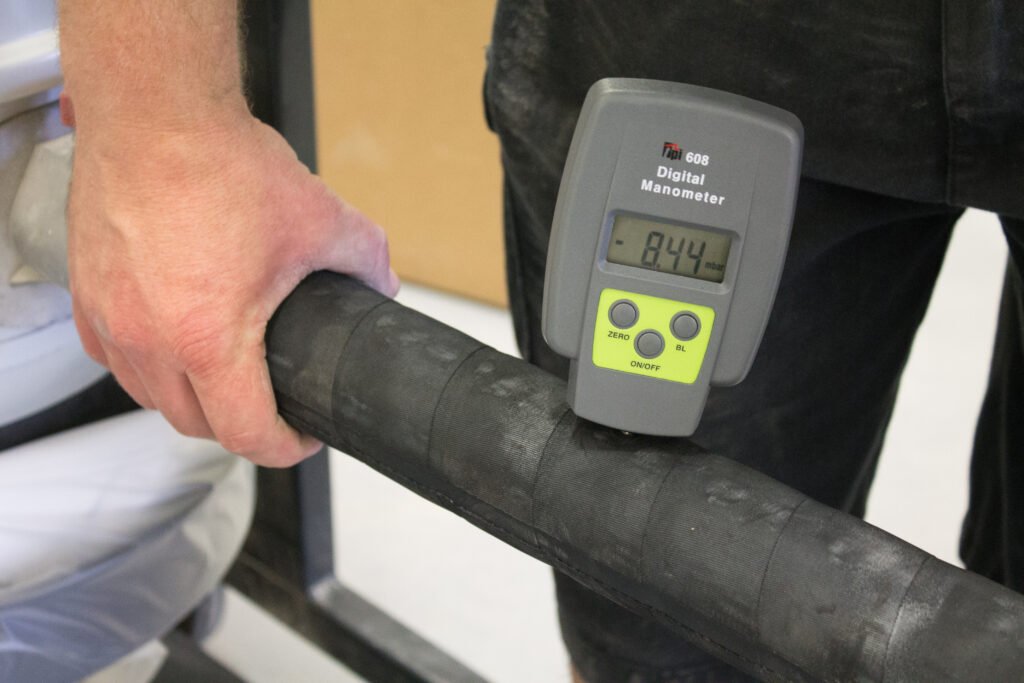
An HSE TExT (Thorough Examination and Test) for LEV (Local Exhaust Ventilation) ensures that systems effectively control hazardous airborne contaminants.

Under COSHH regulations, it is a legal requirement to inspect LEV systems at least every 14 months to verify that the system is functioning correctly and that airflow and capture velocities meet the original design specifications.

Key Aspects of an HSE TExT Airflow Assessment

  • Verification of Performance: Testing confirms that the system’s airflow is sufficient to capture contaminants at the hood or source.
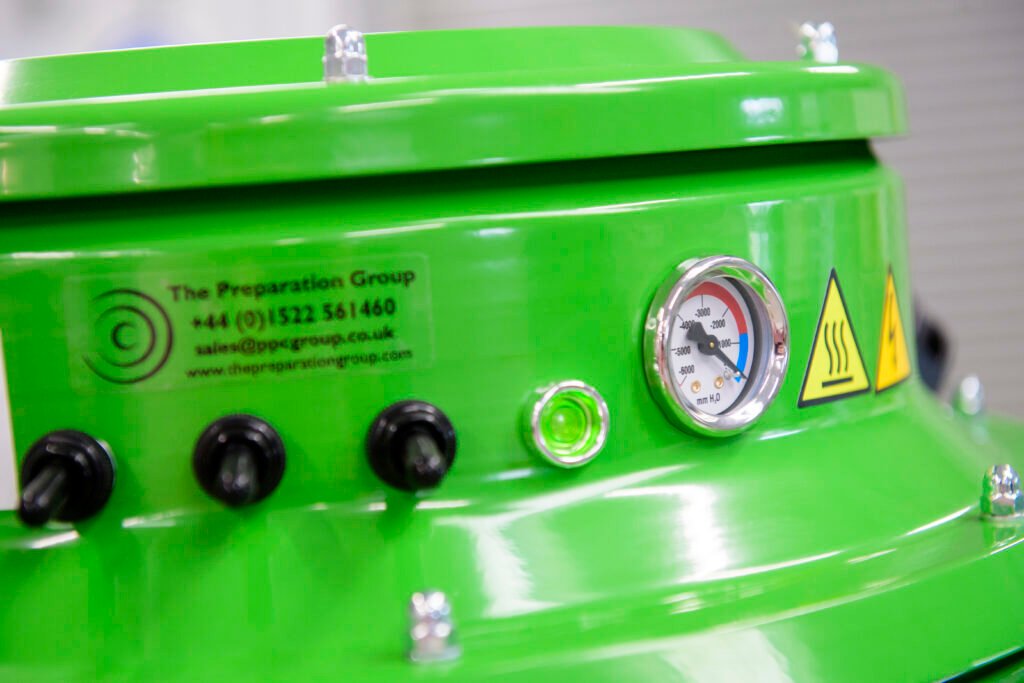
  • Airflow Indicators: The HSE recommends fitting airflow indicators to provide instant visual monitoring of system performance.
  • System Integrity: The inspection checks for blocked ductwork, damaged filters, leaks, and other issues that may reduce airflow or system effectiveness.
  • Competence: The test must be conducted by a competent person with appropriate knowledge and experience.

Results of the TExT inspection must be recorded and retained for at least 5 years.

Industrial Vacuums and LEV – When Does TExT Apply?

Below is a breakdown based on LEV regulations (such as COSHH in the UK).

When It Is Considered LEV

If an industrial vacuum is connected directly to a power tool (e.g., grinder, shotblaster, planer) to capture dust at the source, it is considered on-tool extraction.

On-tool extraction is a form of LEV, and therefore requires a statutory Thorough Examination and Test (TExT) at least every 14 months.

When It Is Not Considered LEV

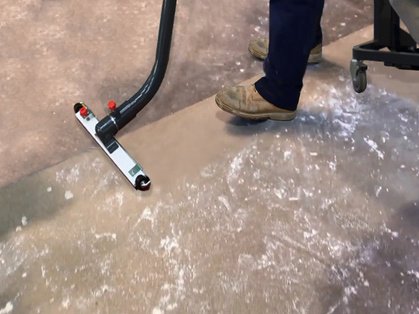
If an industrial vacuum is used only for general cleaning, such as removing dust from floors or surfaces after a task, it is not normally classified as an LEV system.

Key Requirements

If your industrial vacuum is used as on-tool extraction to control hazardous substances, it must be:

  • Maintained in good working condition
  • Regularly inspected and tested
  • Used in accordance with COSHH regulations

LEV systems must be tested regularly to ensure they are effectively protecting workers from inhaling harmful dust or fumes.


The Key Factor: How the Vacuum Is Used

The critical factor is how the vacuum is used, not simply whether it has a HEPA filter.

Classed as LEV

If the vacuum is:

  • Connected directly to a tool (on-tool extraction), or
  • Used to capture dust from a machine to prevent it entering the operator’s breathing zone.

Not Classed as LEV

If the vacuum is used only for general cleaning, such as floor or surface dust removal.


Key Considerations for Industrial HEPA Vacuums
Hazard Classes

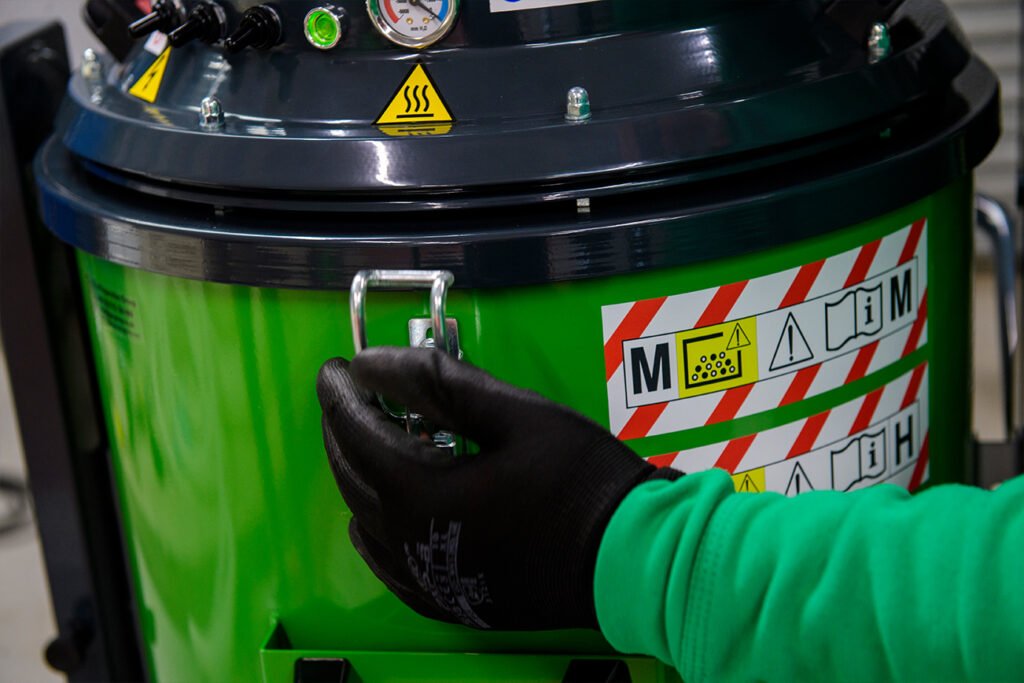
Industrial vacuums designed for hazardous dust are classified as:

  • Class L – Low hazard
  • Class M – Medium hazard
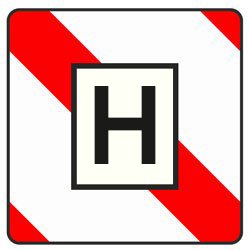
  • Class H – High hazard

Class M and H vacuums are typically required for most industrial and construction environments.

Compliance

When used as LEV, industrial vacuums must comply with COSHH (Control of Substances Hazardous to Health) regulations and require regular inspection and testing (typically every 14 months).

Typical Requirements

M or H-class vacuums should include:

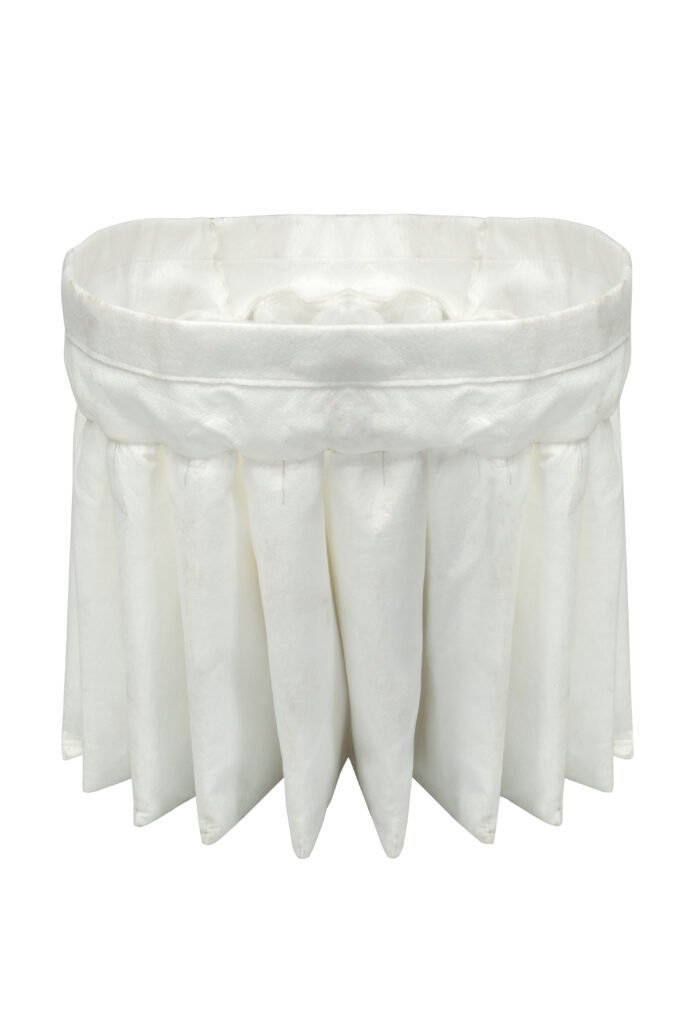
Low airflow warning alarms

-Safe dust bag disposal systems

-Sealed filtration systems

Daily Checks

  • Operators should perform basic checks before use:
  • Always follow the manufacturer’s instructions and recommendations
  • Ensure there is no damage or blockages
  • Check that airflow, filters, and cleaning mechanisms are functioning correctly
  • Replace filters when necessary
  • Keep the equipment clean to prevent dust build-up
  • Ensure the hood is correctly positioned
  • Check hoses and connections are secure

For more information or to book your vacuum in for a standard inspection and service please contact the sales team.

For further information contact us:

Visit www.thepreparationgroup.com

Helpline: 8:00am – 4:00pm

Mon – Fri +44 (0)1522 5614602

Email: hello@ppcgroup.co.uk

Similar Posts

Similar Posts