Drag

Silica Dust

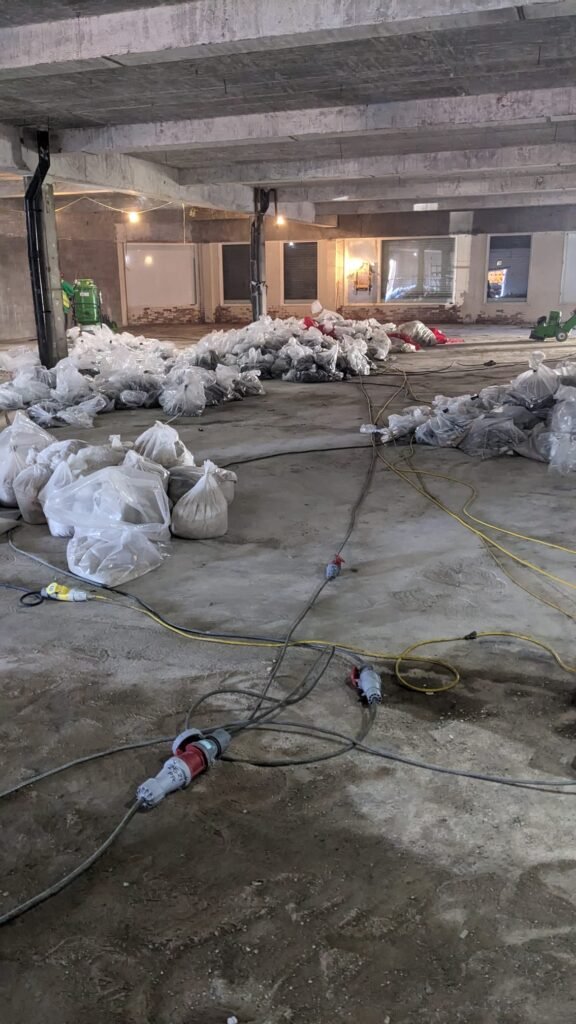
Silica dust is a serious occupational health hazard that is often present when preparing substrates before the application of resin systems, if inadequate dust control measures are not correctly applied or the correct PPE not used.  Resin flooring applicators are particularly susceptible to exposure if they fail to select the correct equipment, dust control and PPE to correctly protect themselves, for a range of applications including grinding, shotblasting, planing, scraping, saw cutting and mixing materials.  Prevention to exposure is essential and in this guide, we aim to provide solutions, professional advice and preventative measures.

Considering regulations and exposure limits set by the HSE, it is essential that employers, contractors and applicators understand the risks and implement adequate, effective control measures, to mitigate exposure, protect the workforce and maintain legal compliance.


  1. What is Silica

Chrystaline silica is a natural mineral found in concrete, sand, stone and mortar products. It becomes hazardous when fine particles (respirable crystalline silica “RCS”) are generated by the processes and applications associated with surface preparation and resin flooring installation and are inhaled

2. Health Risks

Silica dust can cause serious and, in some cases, fatal diseases which include:

  • Silicosis (scaring of the lungs and breathing difficulties)
  • Chronic Obstructive Pulminary Disease (COPD)
  • Lung cancer
  • Kidney disease

Constant prolonged exposure (although in some cases individuals are not aware of      the small particle exposure and believe they are not at risk), mean symptoms develop over time and are irreversible.

3. Legal

  • Control of Substances Hazardous to Health (COSHH Regulations 2002).
  • The Health and Safety at Work Act 1974/

Employers’ responsibilities include:

  • Conducting and producing a risk assessment for all tasks that may produce Silica Dust and expose individuals to danger.
  • Provide training and implement health surveillance programmes.
  • Measure exposure limits (workplace exposure limits for RCS are 0.1mg/m2) and ensure these are not exceeded by installing dust extraction devices and issue of the correct PPE (face fitted) for the task.

4. Managing and Reducing Silica Dust Exposure

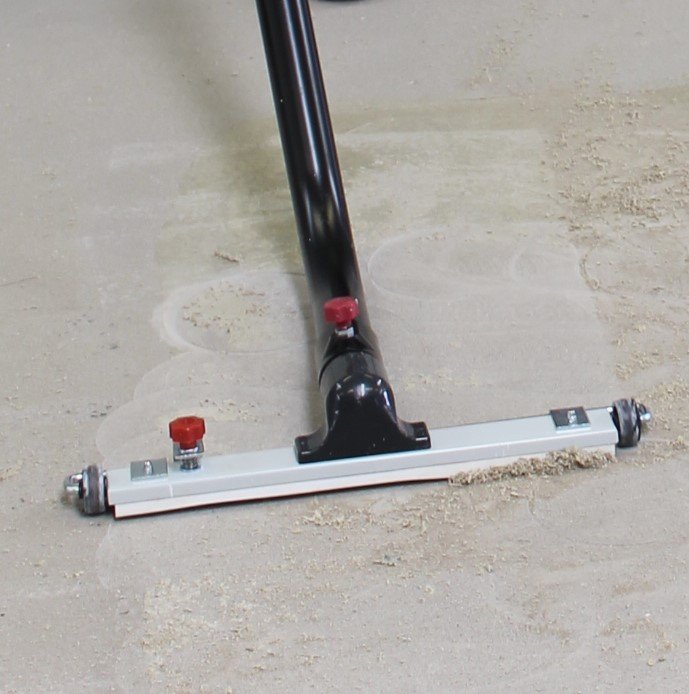
  • Always use machines and tooling connected to vacuums and filtration units.
  • Use dust extraction when mixing materials
  • Install air movers and air purification units to control and eliminate airbourne dust pollution
  • Ensure adequate ventilation onsite
  • Ensure correct RPE/PPE is issued and in good working condition, face fitted and checked regularly for all site personnel
  • Vacuum debris and dust “Do not Sweep”
  • Use Longopac vacuums to contain dust and eliminate airbourne dust exposure when disposing of dust
  • Request and exclusion area for site operations to minimise exposure to dust and restrict all access.

5. Monitoring

  • Conduct Air Quality monitoring periodically and record findings
  • Maintain exposure records and medical reports
  • Consider low-dust mechanical preparation options

6. Communication with Clients and Contractors

  • Make silica risks part of all your RAMS to include collaboration with your client/customer managers/supervisors, sub-contractors, equipment and tool suppliers

Silica exposure is preventable.

Our industrial vacuums are specifically designed to capture hazardous dust at the source, helping you maintain a safer, cleaner, and compliant job site.

Don’t take risks with silica dust.

More information on PPC Dust Extraction

Similar Posts

Similar Posts